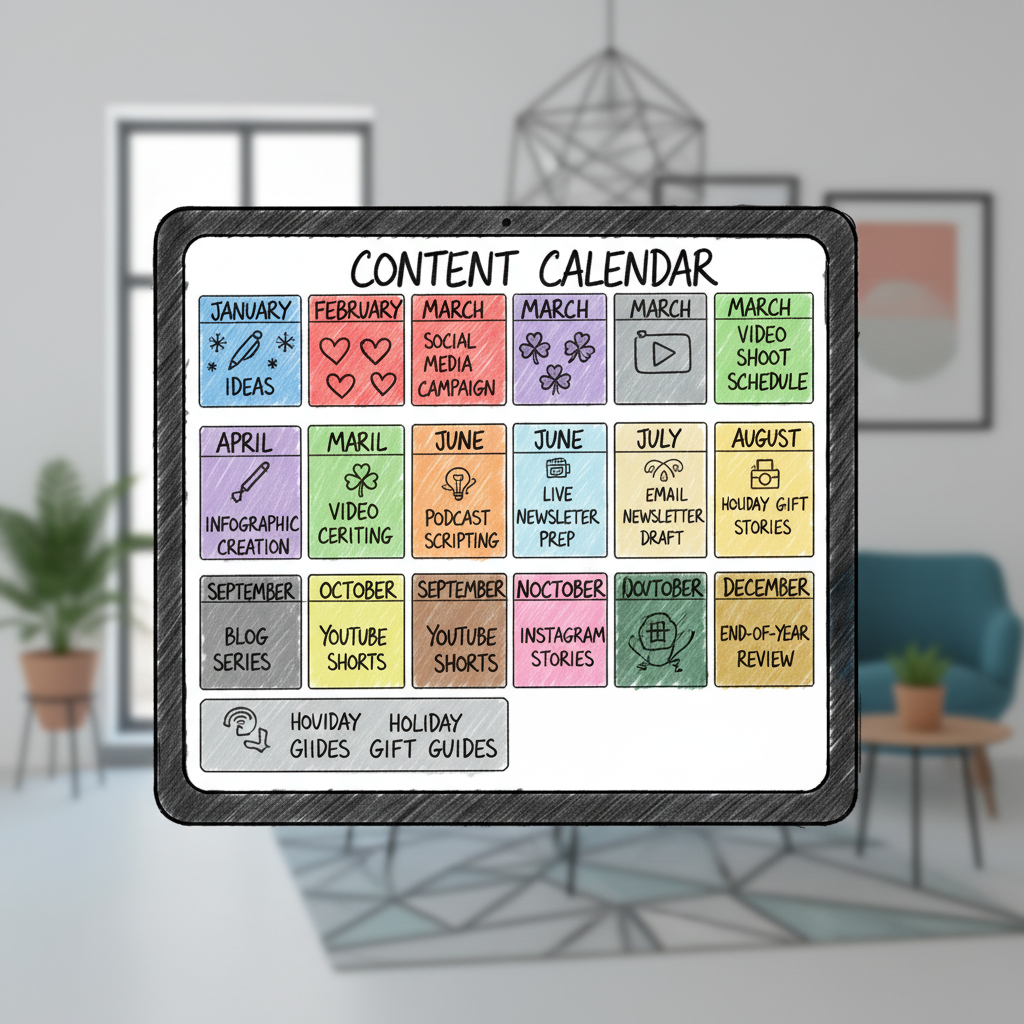
Monthly Themes for SaaS Content
Creating a robust content strategy can feel like trying to bake a soufflé without a recipe. It’s tricky, and there’s a lot on the line! For SaaS businesses, having a clear and engaging content plan is not just beneficial; it’s essential. That’s where
monthly themes come into play. By aligning your content around specific monthly themes, you can streamline your efforts, engage your audience, and ultimately drive conversions.
In this post, we’ll explore how to create a
monthly content calendar template, the benefits of a
social media content calendar template, and practical examples of how to implement these strategies. By the end, you’ll have a comprehensive understanding of how to craft an effective content schedule template that meets your marketing goals.
Why Monthly Themes Matter for SaaS Content
Monthly themes are more than just a buzzword; they are a strategic approach to content marketing that can help SaaS businesses stay organized and focused. By dedicating each month to a specific theme, you create a cohesive narrative that resonates with your audience and drives engagement.
Organizational Benefits
A
monthly content calendar template provides a clear overview of what content needs to be created, when it should be published, and where it will be distributed. This organizational structure helps prevent last-minute scrambles for content ideas and ensures that your marketing team can plan ahead. For instance, if you know that March is dedicated to “Customer Success Stories,” you can allocate resources to gather testimonials and case studies in advance, ensuring a steady flow of quality content.
Audience Engagement
When your content aligns with a monthly theme, it creates a sense of anticipation among your audience. They know what to expect, which encourages regular engagement. For example, if your theme for June is “Productivity Hacks,” you can create blog posts, social media posts, and even webinars around this topic. This consistency not only keeps your audience engaged but also solidifies your brand’s authority in the subject matter.
SEO Benefits
Focusing on a specific theme for an entire month allows you to optimize your content for specific keywords. This is where a
content calendar for marketing comes into play. By targeting relevant keywords related to your theme throughout the month, you can improve your search engine rankings, increase organic traffic, and attract more leads to your SaaS business.
How to Create a Monthly Content Calendar Template
Creating a
monthly content calendar template is simpler than it sounds! Start by identifying your major themes for the year. Consider seasonal trends, product launches, or industry events that may impact your content strategy. Once you’ve established your themes, it’s time to break them down into actionable tasks.
1. Define Your Themes
Select themes that resonate with your audience. For example, if your SaaS product focuses on project management, themes like “Time Management Techniques” or “Remote Team Collaboration” could be relevant. Use tools like Google Trends or BuzzSumo to research trending topics within your niche. This makes your content planning more data-driven and effective.
2. Outline Content Ideas
Once you’ve chosen your themes, brainstorm content ideas that fit within each theme. For the “Time Management Techniques” theme, you could create blog posts, infographics, videos, and even podcasts. A
social media content calendar template can help you visualize how these different content formats will be distributed throughout the month.
3. Assign Responsibilities
Make sure to assign team members to each piece of content. This ensures accountability and keeps your content production on track. Consider using a project management tool like Trello or Asana to organize tasks and deadlines. For example, you might assign one team member to handle blog posts while another creates social media graphics.
Examples of Monthly Themes for SaaS Businesses
Now that you’ve got a grasp on the basics, let’s dive into some practical examples of monthly themes and how they can be applied to your SaaS content strategy. Each theme should be unique to your brand and audience, but these suggestions can offer a great starting point.
1. Customer Success Stories
Highlighting your customers’ successes is a powerful way to build trust and credibility. Dedicate a month to sharing case studies, testimonials, and interviews with satisfied customers. This not only showcases your product’s effectiveness but also fosters a sense of community.
-
Content Ideas:
- Blog posts featuring in-depth case studies.
- Video interviews with customers discussing their success.
- Social media posts that spotlight customer achievements.
-
Actionable Takeaway:
Create a “Customer Spotlight” series that can be shared across all platforms.
2. Industry Trends and Insights
Position your brand as a thought leader by dedicating a month to discussing industry trends and insights. This theme allows you to educate your audience and provide valuable information that can influence their purchasing decisions.
-
Content Ideas:
- Research-based blog posts analyzing current trends.
- Webinars featuring industry experts discussing future predictions.
- Infographics summarizing key findings.
-
Actionable Takeaway:
Host a live Q&A session on social media about the trends discussed in your content.
3. Product Features and Tips
Use a month to focus on specific product features and how they can benefit users. This not only educates your audience but also encourages current customers to explore underutilized features of your software.
-
Content Ideas:
- Weekly blog posts detailing different features.
- How-to videos demonstrating features in action.
- Social media posts that highlight tips and tricks for maximizing use of your product.
-
Actionable Takeaway:
Create a downloadable guide that consolidates all the tips shared during the month.
Best Content Calendar Tools for SaaS Businesses
As you embark on your content planning journey, having the right tools can make all the difference. Here are some of the
best content calendar tools designed to streamline your efforts and improve your productivity:
1. Trello
Trello is a versatile project management tool that can be easily adapted for content planning. With its card-based layout, you can create lists for each month and add cards for individual content pieces. This allows for easy tracking and collaboration among team members. Plus, Trello’s integrations with other platforms like Google Drive and Slack make it a powerful choice.
2. Asana
Asana is another excellent tool for managing content calendars. With its timeline feature, you can visualize your content schedule and see how it aligns with your marketing goals. Asana also allows for task assignments, comment threads, and project templates, which can enhance team collaboration.
3. Google Sheets
If you prefer a simpler approach, Google Sheets is a free option that allows for flexibility and customization. You can create a
monthly content calendar template from scratch or find pre-made templates online. The collaborative nature of Google Sheets allows for real-time updates and easy sharing among team members.
4. CoSchedule
CoSchedule is a dedicated content marketing tool that includes a robust content calendar feature. It allows you to plan, create, and publish content all from one platform. With features like social media automation and analytics, CoSchedule can help you optimize your content strategy effectively.
Crafting Engaging Social Media Content
As you implement your monthly themes, don’t forget to leverage your social media channels! Social media is a powerful tool for SaaS businesses to engage with their audience and promote content. Here are some tips for crafting engaging social media content that aligns with your monthly themes:
1. Visual Storytelling
Use eye-catching graphics and visuals to tell your story. Tools like Canva can help you create professional-looking images that grab attention. For example, if your theme is “Productivity Hacks,” share infographics with tips that are visually appealing and easy to digest.
2. Engage with Your Audience
Encourage your audience to engage with your content by asking questions and prompting discussions. If you’re sharing a customer success story, ask your followers to share their own experiences. This not only builds community but also provides valuable insights into what your audience cares about.
3. Utilize User-Generated Content
Encourage customers to share their experiences with your product on social media. Feature their posts on your channels, and don’t forget to tag them! This not only shows appreciation but also builds social proof, which can influence potential customers.
4. Create a Posting Schedule
Consistency is key when it comes to social media. Use a
social media content calendar template to plan your posts in advance. This helps ensure that your content aligns with your monthly themes and that you’re posting regularly across all channels.
Measuring Success and Making Adjustments
After implementing your monthly themes and content calendar, it’s crucial to measure the success of your efforts. Use tools like Google Analytics and social media insights to track engagement, traffic, and conversions. Here are some metrics to consider:
1. Traffic Sources
Analyze where your traffic is coming from. Are users finding your content through social media, search engines, or referrals? This information can help you allocate resources effectively and identify which channels are driving the most conversions.
2. Engagement Metrics
Look at likes, shares, comments, and overall engagement on your social media posts. This can give you insight into what content resonates with your audience and allows you to adjust your strategy accordingly.
3. Conversion Rates
Ultimately, your content strategy should lead to conversions. Track how your content is influencing sign-ups, trials, or purchases. If certain themes or content formats are driving more conversions, consider focusing more on those in the future.
4. Feedback from Your Audience
Don’t hesitate to ask your audience for feedback! Use surveys or polls to gather insights on what they enjoy and what they want more of. This can provide valuable direction for future themes and content planning.
Conclusion
Creating a monthly content calendar filled with engaging themes is a game-changer for SaaS businesses. By organizing your content around specific themes, you enhance your marketing strategy, improve audience engagement, and boost your SEO efforts. Remember to use the right tools, engage with your audience on social media, and continually measure your success to refine your approach.
With the actionable tips and examples provided in this post, you’re well on your way to crafting a comprehensive
content schedule template that drives results. So, go ahead and start planning your themes—you’ve got this!
Happy content creating!
FAQ
Q1: What is a monthly content calendar template?
A monthly content calendar template is a planning tool that outlines the content you intend to create and publish over a month based on specific themes.
Q2: How can I improve audience engagement using monthly themes?
By aligning your content with monthly themes, you create anticipation and consistency, encouraging your audience to engage regularly with your content.
Q3: What are the best content calendar tools for SaaS businesses?
Some of the best content calendar tools include Trello, Asana, Google Sheets, and CoSchedule, each offering unique features for content planning and management.
Q4: Why is SEO important in a content calendar?
Focusing on specific themes allows you to optimize content for relevant keywords, improving your search engine rankings and attracting more leads.
Q5: How should I measure the success of my content strategy?
You can measure success by analyzing traffic sources, engagement metrics, conversion rates, and gathering feedback from your audience to refine your strategy as needed.
Q6: What types of content can I include in my monthly themes?
You can create a variety of content types such as blog posts, infographics, videos, webinars, and social media posts tailored to your monthly themes.