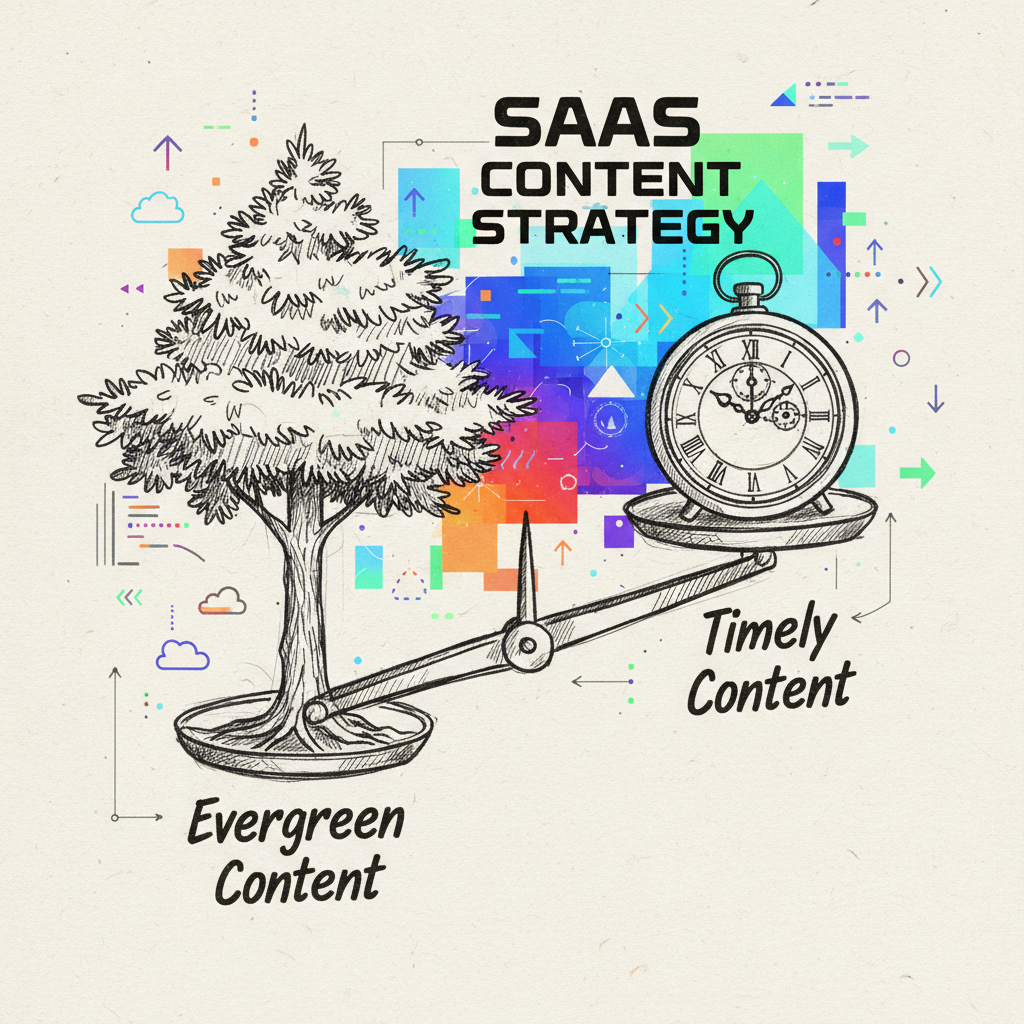
Balancing Evergreen and Timely Content
Creating a successful content strategy for your SaaS business requires a delicate balance between evergreen and timely content. If you’ve ever found yourself wondering how to juggle the two, you’re not alone. In today’s fast-paced digital landscape, businesses need to ensure they’re producing relevant and engaging content. But how do you find that sweet spot? Let’s dive into what evergreen and timely content are, how to create a
content calendar that works for you, and the best tools to make your life easier.
Understanding Evergreen Content
What is Evergreen Content?
Evergreen content is the type of content that remains relevant and useful long after it's published. Think of it as the classic rock of the content world—timeless and always in demand. This includes blog posts, guides, tutorials, and resources that don’t hinge on current events or trends. For instance, a comprehensive guide on "How to Use SEO for SaaS Businesses" can continue to attract readers for years.
Evergreen content often focuses on topics that are foundational or essential for your audience. This might include best practices, industry standards, or overarching principles that don’t change frequently. It provides value repeatedly over time, making it a cornerstone of your content strategy.
Benefits of Evergreen Content
The benefits of evergreen content are numerous:
-
Longevity: Once created, evergreen content can generate traffic and leads for years.
-
SEO Power: This type of content can improve your search engine rankings since it often contains valuable keywords and information people search for.
-
Cost-Effective: Since evergreen content doesn’t require constant updates, it allows you to invest your time and resources into other areas of your business.
Imagine writing a timeless piece that attracts consistent traffic. According to HubSpot, evergreen content can drive up to 80% of your website traffic over time. This not only boosts your visibility but also enhances your brand's authority in the industry.
Examples of Evergreen Content
To illustrate, let’s consider some examples of evergreen content:
-
How-To Guides: Step-by-step articles that help users achieve a specific goal, like "How to Choose the Right SaaS Tool for Your Business."
-
Resource Lists: Compilations of tools, websites, or books that users can refer back to anytime, such as "Top 10 Tools Every SaaS Business Needs."
-
Case Studies: In-depth analyses of successful SaaS implementations can remain relevant for years, especially if they highlight timeless strategies.
Creating a library of evergreen content is a smart strategy for any SaaS business. It provides consistent value to your audience, boosts your SEO, and frees you up to focus on other types of content.
The Role of Timely Content
What is Timely Content?
In contrast to evergreen content, timely content is all about being relevant to current events, trends, or seasonal themes. Think of timely content as the pop music of the content world—trendy and popular, but often fleeting. This includes news articles, blog posts reacting to industry changes, or content that ties into specific holidays or events.
Timely content allows you to engage with your audience on current topics, making your brand feel more relatable and in touch with the market. For example, a blog post titled "5 SaaS Trends to Watch in 2023" is timely because it addresses what's relevant now.
Benefits of Timely Content
Timely content offers several unique advantages:
-
Engagement: When you tap into current events, you can increase engagement rates since people are more likely to share and comment on trending topics.
-
Social Media Buzz: Timely content is perfect for social media sharing, especially if it aligns with trending hashtags or discussions. This can lead to viral engagement.
-
Audience Growth: Producing timely content can help you attract new audiences who are searching for information on trending topics.
According to a report by BuzzSumo, timely content can lead to 10x higher engagement rates compared to evergreen content. This is a clear indication that while evergreen content is essential, timely content can provide bursts of traffic and engagement that can elevate your brand.
Examples of Timely Content
Here are a few examples of timely content:
-
Industry News: Writing about recent developments in the SaaS space or new regulations affecting the industry.
-
Seasonal Campaigns: Creating content around holidays or special events, such as "Best SaaS Tools for Holiday Sales."
-
Trend Analysis: Articles that analyze how recent trends are shaping the industry, like "How Remote Work is Changing SaaS Products."
Timely content keeps your brand relevant and can significantly enhance your engagement levels. However, it’s important to remember that this type of content typically has a shorter lifespan than evergreen content.
The Perfect Balance: Combining Evergreen and Timely Content
Why Balance is Important
Finding the right balance between evergreen and timely content is crucial for a successful content strategy. Too much evergreen content can lead to stagnation, while an overemphasis on timely content can cause your brand to feel inconsistent or reactive. A well-rounded approach ensures that your audience receives a mixture of consistent, valuable content and fresh, engaging insights.
Maintaining this balance is especially important for SaaS businesses, where both foundational knowledge and the latest industry developments are essential to your audience. Your goal should be to create a content ecosystem that supports your brand’s objectives while serving your audience’s needs.
Creating a Content Calendar
A content calendar is an invaluable tool for managing your evergreen and timely content. Here’s how to create an effective content calendar:
1.
Identify Your Goals: What do you want to achieve with your content? More traffic, higher engagement, or brand awareness?
2.
Categorize Your Content: Divide your planned content into evergreen and timely categories. This helps you visualize your balance.
3.
Set a Schedule: Plan out when you’ll publish each piece of content. Consider seasonal trends for timely pieces and aim for a steady flow of evergreen content.
4.
Use Templates: Utilizing a content calendar for social media template can simplify the process. Try using a social media content calendar that includes columns for post type, target keywords, and publish dates.
Tools for Managing Your Content Calendar
To manage your content calendar effectively, consider using some of the best scheduling apps for small businesses. Here are a few recommendations:
-
Trello: A flexible tool that allows you to create boards for different types of content, set deadlines, and collaborate with your team.
-
CoSchedule: This all-in-one marketing calendar helps you plan, organize, and automate your content marketing efforts.
-
Asana: A project management tool that can be customized to fit your content planning needs, allowing team collaboration and tracking.
By creating a well-structured content calendar, you ensure a balanced approach to your content strategy. This not only saves you time but also enables you to focus on producing quality content that resonates with your audience.
Crafting Engaging Evergreen Content
Tips for Creating Evergreen Content
To create engaging evergreen content, consider the following tips:
-
Focus on Timeless Topics: Choose subjects that are foundational to your audience’s needs. This could be "The Basics of SaaS Marketing" or "Essential Features for SaaS Products."
-
Use Clear, Concise Language: Evergreen content should be easy to read and understand. Avoid using jargon unless absolutely necessary.
-
Incorporate Visuals: Including images, infographics, or videos can enhance user engagement and understanding.
-
Update Regularly: Even evergreen content may need occasional updates to remain relevant. This could be as simple as adding new statistics or examples.
Examples of Well-Done Evergreen Content
-
HubSpot's Marketing Blog: Offers a plethora of evergreen articles that cover fundamental marketing topics, which remain relevant and useful for marketers across the board.
-
Neil Patel’s Guides: His comprehensive guides on SEO and digital marketing tactics are classic examples of evergreen content that attract consistent traffic.
-
Moz’s Beginner’s Guide to SEO: This guide has been an enduring resource for those looking to understand SEO fundamentals.
Creating high-quality evergreen content is an investment that pays off over time, establishing your authority and keeping your audience engaged.
Crafting Timely Content that Resonates
Tips for Creating Timely Content
When it comes to crafting timely content, you want to ensure it captures attention quickly and resonates with your audience. Here are some tips:
-
Stay Updated: Follow industry news sources, blogs, and social media to stay informed about trends and hot topics.
-
Engage with Your Audience: Listen to what your audience is talking about on social media. This can give you insights into what topics are currently resonating.
-
Create Compelling Headlines: Your headlines should grab attention and promise value. For example, "The Top 5 SaaS Trends You Can't Ignore in 2023" is both engaging and informative.
-
Utilize Social Proof: Including case studies or testimonials in timely content can enhance credibility and encourage readers to engage.
Examples of Successful Timely Content
-
Buffer’s Social Media Trends: Their annual report on social media trends generates buzz and engagement every year, making it a highly shareable piece of content.
-
Medium’s Top Stories: Medium often highlights trending articles that capture the essence of current discussions in various fields.
-
Newsjacking: Brands like Oreo use real-time marketing to create timely content that resonates with current events, like their famous tweet during the Super Bowl blackout.
Crafting timely content that resonates with your audience can lead to higher engagement and can help position your brand as a thought leader in your industry.
Measuring the Success of Your Content
Key Metrics to Track
To evaluate the effectiveness of your content strategy, you need to measure its success. Here are some key metrics to track:
-
Traffic: Analyze the number of visitors to your evergreen and timely content. Tools like Google Analytics can help you monitor this.
-
Engagement: Look at social shares, comments, and time spent on the page. High engagement indicates that your content resonates with your audience.
-
Conversion Rates: Monitor how many leads or sales are generated from your content. This will help you understand its impact on your bottom line.
-
SEO Performance: Track your keyword rankings and organic traffic growth to see how well your content performs in search engines.
Adjusting Your Strategy
Based on the data you collect, be willing to adjust your content strategy as necessary. For instance, if you notice that certain evergreen content is driving consistent traffic, you might want to create more content around that topic. Conversely, if timely content isn’t resonating, consider tweaking your approach or focusing on different trends.
Conclusion: The Art of Content Balance
Finding the right balance between evergreen and timely content is a crucial aspect of a successful content strategy for SaaS businesses. By understanding what each type of content brings to the table, you can create a content calendar that serves your audience’s needs while driving traffic and engagement.
Remember, evergreen content is your steady foundation, while timely content keeps your brand relevant and in the conversation. Using effective content planning tools and strategies, you can master the art of balancing both types of content, creating a rich and engaging experience for your audience.
Incorporate these insights into your content strategy, and you’ll be well on your way to creating a robust content ecosystem that not only attracts visitors but also converts them into loyal customers. Happy content planning!
FAQ
Q1: What is the difference between evergreen and timely content?
A1: Evergreen content remains relevant over time, while timely content focuses on current events or trends. Both serve different purposes in a content strategy.
Q2: How often should I update my evergreen content?
A2: It’s good practice to review and update evergreen content every 6-12 months to ensure the information remains accurate and relevant.
Q3: What tools can I use to manage my content calendar?
A3: Tools like Trello, CoSchedule, and Asana are great for organizing and managing your content calendar effectively.
Q4: How can I measure the success of my content?
A4: Key metrics to track include website traffic, engagement rates, conversion rates, and SEO performance. Using tools like Google Analytics can help you gather this data.
Q5: How do I create a content calendar?
A5: Start by identifying your goals, categorizing content into evergreen and timely sections, setting a schedule, and using templates to simplify the process.
Q6: What is a content calendar for social media?
A6: A social media content calendar is a planning tool that helps you organize and schedule your social media posts, ensuring a consistent flow of both evergreen and timely content across platforms.