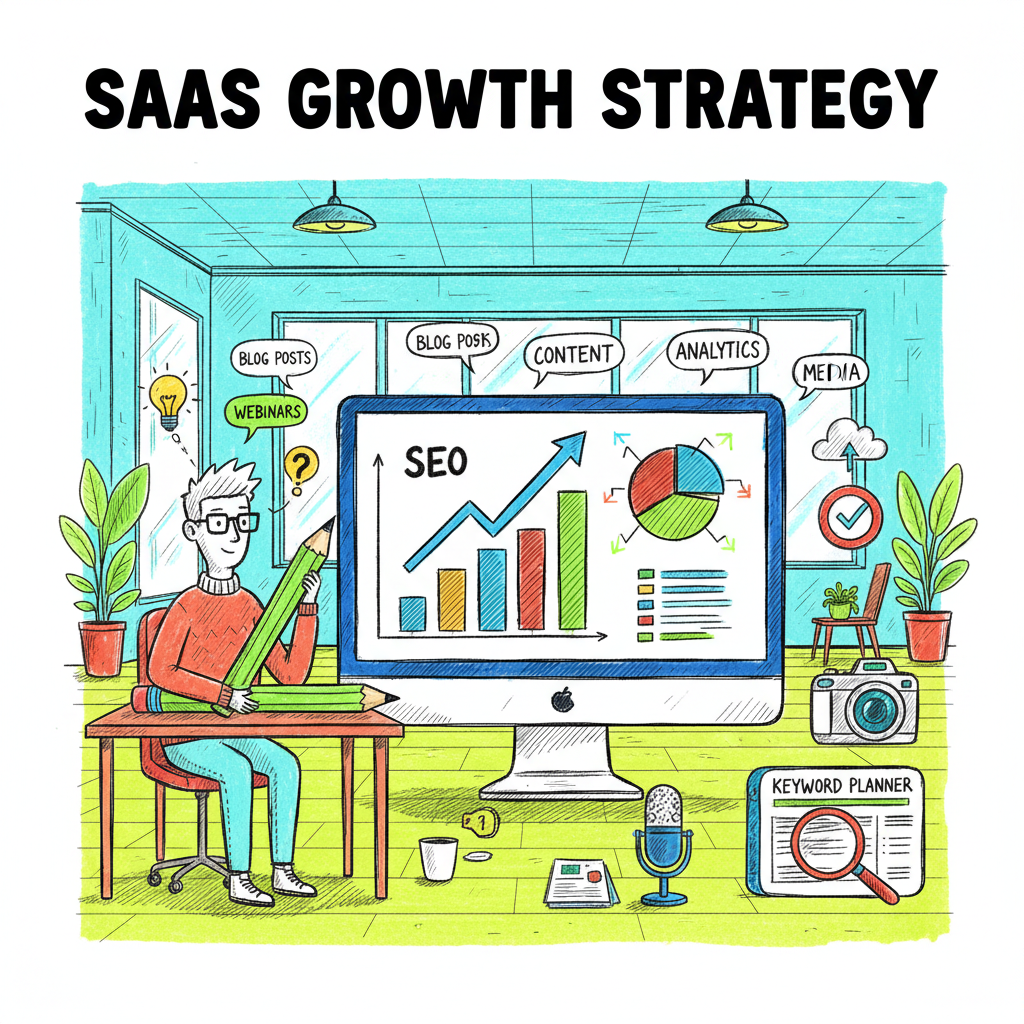
The Ultimate Guide to SaaS Content Marketing
In the ever-evolving world of SaaS (Software as a Service), a robust content marketing strategy is not just beneficial; it’s essential. Whether you’re a startup trying to carve out your niche or an established player aiming to maintain your edge, leveraging the right content marketing strategies can significantly impact your brand’s visibility, engagement, and ultimately, your bottom line.
In this ultimate guide, we’ll dive deep into the realm of SaaS content marketing. You’ll learn about effective content marketing strategies, how to tailor your approach as a startup, and discover various content marketing strategy services that can help amplify your digital content marketing efforts. Let’s embark on this journey to transform your content into a powerful tool for growth!
Understanding SaaS Content Marketing
Content marketing in the SaaS industry possesses unique characteristics that set it apart from other sectors. At its core, SaaS content marketing focuses on educating potential customers about software solutions while demonstrating the value of your product. The goal is to build trust and authority in a crowded market where customers often rely on content to guide their purchasing decisions.
What makes SaaS content marketing distinctive is its emphasis on demonstrating functionality and use cases. Unlike traditional marketing, where the focus might be on the product's features alone, SaaS content needs to showcase how the software solves specific problems. For example, HubSpot’s blog covers various topics relevant to inbound marketing and sales, providing invaluable insights that resonate with their target audience while subtly promoting their own tools.
Additionally, SaaS businesses often have a longer sales cycle compared to traditional retailers. This means your content needs to nurture leads over time, guiding them through each stage of the buyer’s journey—from awareness to consideration, and finally, to decision-making. This often calls for a diverse content strategy that includes blogs, case studies, white papers, webinars, and video content.
An effective SaaS content marketing strategy should prioritize educational content that positions your company as an industry leader while integrating calls-to-action (CTAs) that encourage readers to engage with your product offerings. By understanding the nuances of SaaS content marketing, you can create strategies that not only attract but also convert potential customers.
Crafting Your Content Marketing Strategy for SaaS
Creating a successful content marketing strategy for your SaaS business involves several essential steps:
1. Define Your Target Audience: Understand who your potential customers are, what their pain points are, and what kind of content they consume. Developing detailed buyer personas will help tailor your content to meet their needs.
2. Set Clear Goals: Identify what you want to achieve with your content marketing. Whether you aim to increase brand awareness, generate leads, or drive product sign-ups, establishing measurable objectives allows you to track your progress and adjust your strategy as needed.
3. Brainstorm Content Ideas: Consider the types of content that resonate well with your audience. For SaaS companies, how-to guides, product demos, and industry insights tend to perform well. Additionally, leveraging user-generated content, such as testimonials and case studies, can enhance credibility.
4. Develop an Editorial Calendar: Keep your content organized and consistent with a detailed editorial calendar that outlines what content will be published, when, and on which platforms. Consistency is key in content marketing, and a clear plan maintains momentum.
Key Content Marketing Strategies for Startups
For startups in the SaaS space, content marketing can feel overwhelming due to competition. However, several effective strategies can help you market your content without breaking the bank:
1. Storytelling: Share your startup's journey, challenges, and victories to create an emotional connection with your audience. This humanizes your brand and builds trust.
2. Leverage Social Media: Use platforms like LinkedIn and Twitter to amplify your content. Share regularly, engage with your audience, and participate in relevant conversations. Buffer, for instance, effectively uses its social media presence to share valuable content and engage users, contributing significantly to its growth.
3. Invest in SEO: Optimize your content for search engines to enhance organic reach. Incorporate relevant keywords, create high-quality backlinks, and ensure your website’s technical aspects are in order. Conducting keyword research to identify what potential customers are searching for can guide your content creation efforts.
4. Collaborations and Partnerships: Guest blogging on established platforms or partnering with other startups can expose your brand to a wider audience. Collaborations can lead to shared resources and knowledge, allowing you to create better content together. For example, Zapier's partnerships with various content creators produce valuable guides that showcase how their integrations work in practice.
Utilizing Different Types of Content
Diversity in content is key to keeping your audience engaged. In the SaaS world, it’s crucial to utilize various content formats to cater to different audience preferences. Blogs are a staple and should form the backbone of your content strategy, but don’t limit yourself to text alone. Explore infographics, videos, podcasts, and webinars to enrich your content offerings.
Infographics
Infographics are particularly effective for distilling complex information into digestible visuals. They can help explain software functionalities or present data engagingly. For instance, a SaaS company could create an infographic illustrating the benefits of their software, making it easy for potential customers to understand its value at a glance.
Videos
Videos are another powerful tool that serves multiple purposes, such as product demos, tutorials, or customer testimonials. Video content is highly shareable and often has a higher engagement rate compared to text-based content. A simple explainer video can significantly boost your conversion rates by providing a clear understanding of how your product works.
Podcasts
Podcasts are increasingly popular and can be a fantastic way to reach audiences who prefer auditory learning. Discussing relevant industry topics or interviewing experts can position your brand as a go-to resource for valuable insights. Similarly, webinars can educate your audience on specific topics while demonstrating your product’s capabilities in real-time. This interactive format allows potential customers to ask questions and engage with your brand directly.
Ultimately, the key is to experiment with different formats and analyze which ones resonate best with your audience. Incorporating a mix of content types can keep your audience engaged and create a more dynamic content experience.
Leveraging Social Media for SaaS Content Marketing
Social media can be a game-changer for SaaS content marketing. With millions of users actively engaging on platforms like LinkedIn, Facebook, Twitter, and Instagram, there’s immense potential to connect with your target audience. The first step is to choose the right platforms based on where your audience is most active. For B2B SaaS companies, LinkedIn and Twitter are often the most effective channels.
Once you’ve established your presence on these platforms, focus on sharing valuable content that resonates with your audience. This includes blog posts, infographics, videos, and industry news. However, don’t just share your content; engage with your followers. Respond to comments, participate in discussions, and share insights that showcase your expertise. This two-way communication fosters a sense of community and can lead to increased brand loyalty.
Consider using paid advertising options available on social media platforms. Paid ads can help you target specific demographics and reach potential customers who may not be aware of your brand. For instance, LinkedIn ads can be particularly effective for reaching decision-makers in businesses that would benefit from your SaaS solution. By targeting your ads effectively, you can maximize your return on investment and generate quality leads.
Social media can also serve as a valuable tool for analytics. Most platforms offer insights into engagement metrics, allowing you to track what types of content perform best. Use this data to refine your strategy and focus on the content that resonates most with your audience. Regularly assess your social media performance to ensure you’re getting the most out of your efforts.
Measuring the Success of Your SaaS Content Marketing
To ensure your content marketing efforts are paying off, it’s vital to measure your success through various metrics:
1. Website Traffic: Tools like Google Analytics can provide insights into how many visitors your content attracts, where they’re coming from, and which pieces of content perform best. Monitoring traffic can help you identify trends and adjust your strategy accordingly.
2. Conversion Rate: This refers to the percentage of visitors who take a desired action, such as signing up for a free trial or subscribing to a newsletter. Tracking conversion rates assesses the effectiveness of your content in driving leads. If certain types of content consistently lead to higher conversion rates, consider creating more of that content.
3. Engagement Metrics: Likes, shares, comments, and time spent on the page are crucial indicators of engagement. High engagement often indicates that your content resonates well with your audience. Use these insights to refine your content strategy and focus on creating engaging content.
4. Feedback Loop: Encourage your audience to provide feedback on your content through surveys or comments. This direct input can be invaluable in understanding your audience's preferences and can guide your future content creation efforts.
Best Practices for SaaS Content Marketing
As you navigate the world of SaaS content marketing, several best practices can optimize your strategies:
1. Prioritize Quality Over Quantity: While it’s essential to produce content consistently, ensure that each piece is valuable and relevant to your audience. High-quality content attracts readers and positions your brand as a trusted authority.
2. Optimize for SEO: Conduct keyword research, use relevant keywords in your content, and ensure your content is structured properly with headings and subheadings. Additionally, optimizing for mobile devices is essential, as a significant portion of users access content through smartphones. Ensure your website is mobile-friendly to provide a seamless experience for all users.
3. Promote Across Multiple Channels: Don’t limit yourself to just one platform. Share your content via email newsletters, social media, and partnerships with other brands. This multi-channel approach can help you reach a wider audience and drive more traffic to your content.
4. Stay Updated with Industry Trends: The SaaS landscape continually evolves, so being aware of the latest trends can help you create timely and relevant content. Subscribe to industry newsletters, follow thought leaders on social media, and participate in webinars to stay informed.
Conclusion
In conclusion, SaaS content marketing is an essential aspect of building and sustaining a successful SaaS business. By understanding your audience, crafting a well-rounded strategy, utilizing diverse content formats, and leveraging social media, you can effectively engage with potential customers and establish your brand as a thought leader in the industry.
Remember, content marketing for startups doesn't have to be overwhelming. By starting with a solid foundation and implementing best practices, you can create a powerful content marketing strategy that drives growth and enhances your digital presence. Now that you’re equipped with the knowledge from this ultimate guide, it’s time to put it into action and watch your SaaS business flourish!
Happy marketing!
FAQ
Q1: What is SaaS content marketing?
A1: SaaS content marketing focuses on creating valuable content to educate potential customers about software solutions while demonstrating the product's value and functionality.
Q2: How can startups effectively implement content marketing strategies?
A2: Startups can implement effective content marketing strategies by defining their target audience, setting clear goals, brainstorming content ideas, and using diverse content formats.
Q3: Why is SEO important for SaaS content marketing?
A3: SEO is crucial for SaaS content marketing as it enhances organic reach, making it easier for potential customers to find your content through search engines.
Q4: What types of content should SaaS companies focus on?
A4: SaaS companies should focus on blogs, case studies, product demos, infographics, videos, podcasts, and webinars to engage their audience effectively.
Q5: How can social media enhance SaaS content marketing?
A5: Social media enhances SaaS content marketing by allowing companies to share valuable content, engage with their audience, and participate in industry conversations, ultimately increasing brand visibility.
Q6: What metrics should I track to measure the success of my SaaS content marketing?
A6: Key metrics to track include website traffic, conversion rates, engagement metrics, and feedback from your audience to assess the effectiveness of your content marketing efforts.