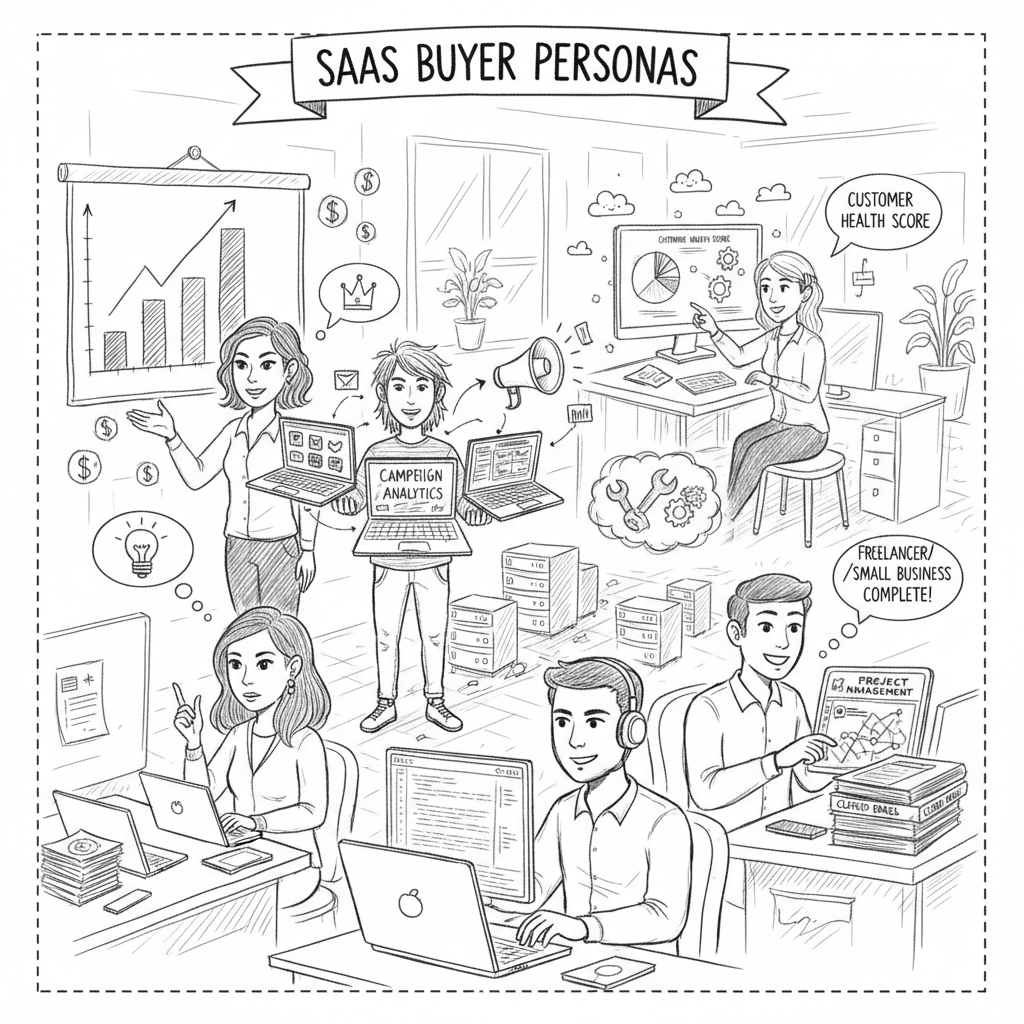
Creating Effective Buyer Personas for SaaS
In the ever-evolving world of Software as a Service (SaaS), understanding customers is paramount. One of the most effective ways to achieve this clarity is through buyer persona development. By creating detailed personas, you can tailor your marketing efforts, enhance customer experience, and ensure your product resonates well with your target audience. In this blog, we’ll explore the ins and outs of creating personas, why they matter, and how they can significantly impact your customer journey.
What is a Buyer Persona?
To kick things off, let’s clarify what a buyer persona is. A buyer persona is essentially a semi-fictional representation of your ideal customer based on market research and real data about your existing customers. These personas help you understand your customers better by detailing their demographics, behaviors, motivations, and challenges.
In the SaaS realm, buyer personas can encompass various roles, from IT managers and business owners to everyday users. Each persona reflects a unique perspective on how they interact with your software, their pain points, and what drives their purchasing decisions.
For instance, consider a project management tool. You might create separate personas for a project manager who values collaboration features and a C-level executive who prioritizes ROI and scalability. By understanding these nuances, you can craft targeted marketing strategies that speak directly to each persona's needs.
Why Buyer Personas Matter in SaaS
Buyer personas are not just a buzzword; they are a fundamental component of an effective customer experience strategy. Here’s why they matter:
1. Tailored Marketing: With a clear understanding of your target audience, you can create marketing messages that resonate with their specific needs and pain points. This targeted approach increases engagement and conversions.
2. Product Development: Insights gained from personas can guide your product development. By understanding what features your customers value most, you can prioritize development efforts that align with user demands.
3. Customer Journey Mapping: Personas help in visualizing the customer journey, allowing you to identify critical touchpoints where you can enhance the user experience. This mapping is crucial for optimizing every stage of the journey, from awareness to post-purchase support.
4. Improved Communication: When your team understands who they are communicating with, they can adjust their tone, style, and content to better suit the audience. This leads to more meaningful interactions and stronger relationships with customers.
By developing effective buyer personas, you’re setting the foundation for a successful customer engagement strategy that can boost retention and satisfaction.
Steps to Develop Buyer Personas for SaaS
Creating effective buyer personas involves a series of steps that require both quantitative and qualitative research. Here’s how to get started:
1. Gather Data: Start with data collection. Use analytics tools to gather information on your current customers, such as age, location, job title, and usage patterns. Tools like Google Analytics, customer surveys, and CRM data are invaluable here.
2. Conduct Interviews: Go beyond numbers. Conduct interviews with a range of customers to get qualitative insights. Ask questions about their challenges, decision-making processes, and what they look for in a SaaS solution. This will help you capture the emotional aspects of their journey.
3. Identify Patterns: Once you have collected your data, look for patterns and commonalities among your customers. Group them based on similarities in their roles, challenges, and goals. This will help you outline distinct personas that reflect your customer base.
4. Create Persona Profiles: Develop detailed persona profiles that include demographics, goals, challenges, and how your SaaS product fits into their lives. Make these profiles as vivid as possible, including a name, photo, and a brief backstory to humanize each persona.
Example of Buyer Personas in SaaS
Let’s illustrate this with a practical example. Suppose you run a SaaS company that provides marketing automation tools. Here are two potential buyer personas:
Persona 1: Marketing Manager Mary
- Demographics: 34 years old, based in New York, Bachelor’s degree in Marketing.
- Goals: Increase lead generation and improve campaign performance.
- Challenges: Struggles with managing multiple marketing channels and tracking campaign ROI.
- Decision-Making Process: Relies heavily on peer recommendations and product demos.
Persona 2: Small Business Owner Sam
- Demographics: 45 years old, owns a small business in the retail sector, high school diploma.
- Goals: Streamline operations and reduce marketing costs.
- Challenges: Limited budget and technical knowledge; needs a user-friendly solution.
- Decision-Making Process: Prefers user-friendly platforms with clear pricing and excellent customer support.
These personas guide your marketing strategies by helping you tailor your messaging and product features to meet their needs.
Utilizing Buyer Personas to Enhance Customer Experience
Once you have your buyer personas in place, it’s time to leverage them to enhance the customer experience. Here are some strategies to consider:
1. Personalized Content: Use your personas to create tailored content that speaks directly to their interests and pain points. For instance, if your persona is a technical user, create in-depth guides and tutorials that delve into the technical aspects of your software.
2. Targeted Marketing Campaigns: Develop marketing campaigns that cater to each persona. If you know Marketing Manager Mary responds well to webinars, host a series that tackles advanced marketing strategies using your tools.
3. Feedback Loops: Regularly revisit your personas and seek feedback from actual users. This ongoing process ensures your personas evolve with your customer base, allowing you to stay relevant and responsive to changes in their needs.
4. Customer Journey Optimization: Map out the customer journey for each persona. Identify where they may encounter obstacles and address these pain points proactively. For example, if small business owners often struggle with onboarding, consider creating an easy-to-follow onboarding process with video tutorials and step-by-step guides.
Measuring the Effectiveness of Your Buyer Personas
It’s essential to measure how well your buyer personas are working. Here are a few metrics to consider:
- Engagement Rates: Track how well your content resonates with each persona through engagement metrics like click-through rates, time on page, and social shares.
- Conversion Rates: Monitor conversion rates based on targeted campaigns aimed at each persona. Are Marketing Manager Mary and Small Business Owner Sam converting at expected rates?
- Customer Feedback: Gather feedback through surveys and interviews post-purchase to determine how well your personas align with customer expectations.
- Customer Retention: Analyze retention rates to see if tailoring your approach based on personas has improved customer loyalty.
By continuously measuring effectiveness, you can adapt your strategies and ensure that your personas remain relevant and effective over time.
Common Mistakes to Avoid in Buyer Persona Development
In the process of developing buyer personas, it’s easy to fall into certain traps that can undermine their effectiveness. Here are common mistakes to avoid:
1. Overgeneralization: While it’s tempting to create broad personas that encompass a large segment of your audience, this can dilute their effectiveness. Focus on specific traits and behaviors that truly define each persona.
2. Neglecting Research: Skipping the research phase can lead to inaccurate personas based on assumptions rather than facts. Always base your personas on data and real customer insights.
3. Static Personas: Buyer personas should evolve as your market and customers change. Regularly update them based on new data and feedback to maintain their relevance.
4. Ignoring Internal Stakeholders: Involve various departments (sales, marketing, support) in persona development to get a holistic view of customer interactions. Their insights can provide valuable context to your personas.
Final Thoughts on Buyer Personas for SaaS
Creating effective buyer personas is a crucial step for SaaS businesses looking to enhance their marketing efforts and improve customer experiences. By understanding your customers on a deeper level, you can develop targeted strategies that resonate with them and drive conversions.
Remember, the key to successful buyer persona development lies in both qualitative and quantitative research. Regularly revisit and refine your personas to ensure they remain aligned with your customers' evolving needs. With well-crafted personas, you’re not just marketing a product; you’re providing solutions tailored to the unique challenges of your audience.
So, whether you’re just getting started with creating personas or looking to fine-tune your existing ones, keep these tips in mind. The effort you put into understanding customers will ultimately pay off in the form of increased engagement, satisfaction, and loyalty. Happy persona crafting!
FAQ
Q1: What is a buyer persona in SaaS?
A: A buyer persona is a semi-fictional representation of your ideal customer, based on market research and actual customer data, helping you tailor your marketing strategies.
Q2: How do I create effective buyer personas?
A: Gather data from analytics, conduct customer interviews, identify patterns, and create detailed persona profiles that reflect your audience's needs and challenges.
Q3: Why are buyer personas important for SaaS businesses?
A: They help in tailoring marketing messages, guiding product development, optimizing the customer journey, and improving communication with customers.
Q4: How often should I update my buyer personas?
A: Regularly revisit and update your personas based on new data, customer feedback, and changes in the market to ensure they remain relevant.
Q5: Can buyer personas help improve customer retention?
A: Yes, by aligning your marketing and product strategies with the specific needs of your personas, you can enhance customer satisfaction and increase retention rates.
Q6: What common mistakes should I avoid when developing buyer personas?
A: Avoid overgeneralizing personas, neglecting research, creating static personas, and ignoring insights from internal stakeholders to ensure effective persona development.